




Introduction
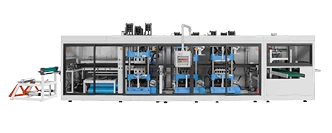
Thermoforming has become one of the most widely used manufacturing processes for producing plastic packaging and industrial components due to its efficiency, flexibility, and cost-effectiveness. While factors such as material selection and processing parameters influence the final product, the design of the thermoforming mold plays a decisive role in determining product quality, dimensional accuracy, production efficiency, and overall manufacturing consistency. A well-engineered mold not only improves forming performance but also helps manufacturers reduce defects, shorten cycle times, and maximize production output, making mold design a critical investment for long-term manufacturing success.

Understanding Thermoforming Mold Design
Thermoforming mold design is the process of engineering and optimizing a mold to achieve specific product requirements, manufacturing efficiency, and consistent forming performance. It involves carefully designing key features such as cavity geometry, draft angles, cooling channels, venting systems, and material selection to ensure the mold performs reliably throughout the thermoforming process. A well-designed mold not only determines the shape of the finished product but also influences dimensional accuracy, surface quality, cycle time, material distribution, and overall production efficiency.
How Thermoforming Mold Design Affects Product Quality and Output
Every aspect of thermoforming mold design influences product quality, production efficiency, and long-term
manufacturing performance, making careful design essential for consistent results.
- Mold Precision and Dimensional Accuracy
- Cooling Channel Design
- Venting and Vacuum Distribution
- Mold Material Selection
- Multi-Cavity Design and Production Output
-
 Mold Precision and Dimensional Accuracy
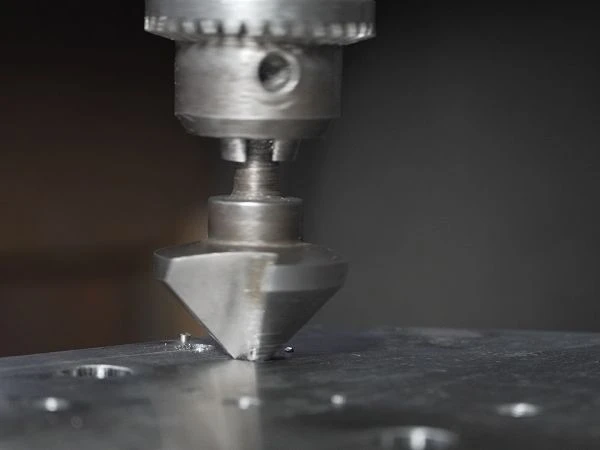
The precision of a thermoforming mold directly determines the dimensional accuracy of the finished product. High-precision machining helps ensure consistent cavity dimensions, allowing manufacturers to produce parts with tight tolerances, reliable fit, and uniform quality across every production cycle.
-
 Cooling Channel Design
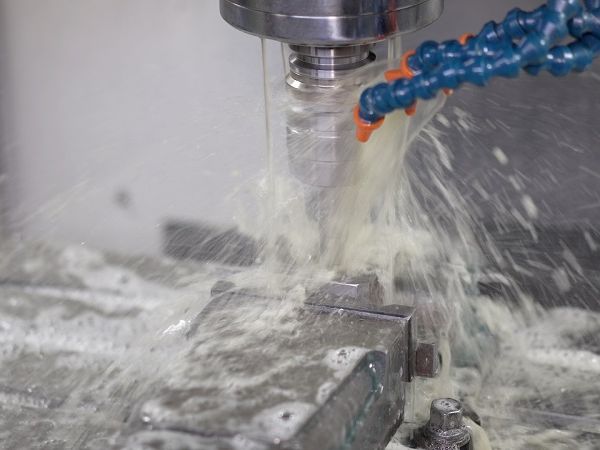
Well-designed cooling channels play a critical role in improving thermoforming efficiency and maintaining consistent product quality. Optimized cooling channel layouts promote uniform temperature distribution throughout the mold, helping reduce warping, shrinkage, and dimensional variation while shortening cycle times and improving overall production efficiency.
-
 Venting and Vacuum Distribution
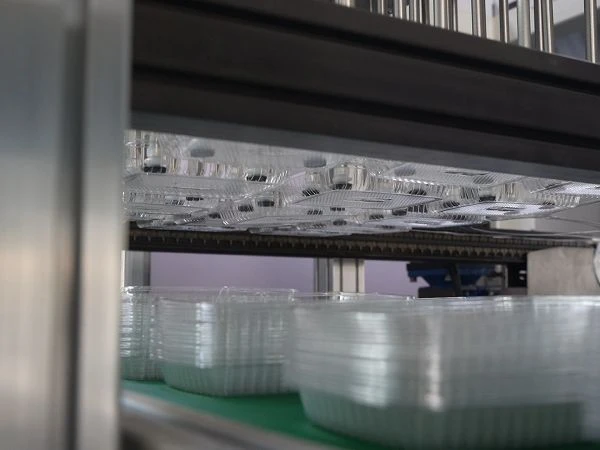
Proper venting allows trapped air to escape quickly during the forming process, enabling the heated plastic sheet to conform closely to the mold surface. Optimized vacuum distribution improves detail reproduction, reduces forming defects, and ensures consistent product appearance.
-
 Mold Material Selection
The choice of mold material affects durability, thermal conductivity, machining precision, and maintenance requirements. Materials such as aluminum are commonly used for their excellent heat transfer and shorter production cycles, while steel molds offer greater wear resistance for long-term, high-volume manufacturing.
-
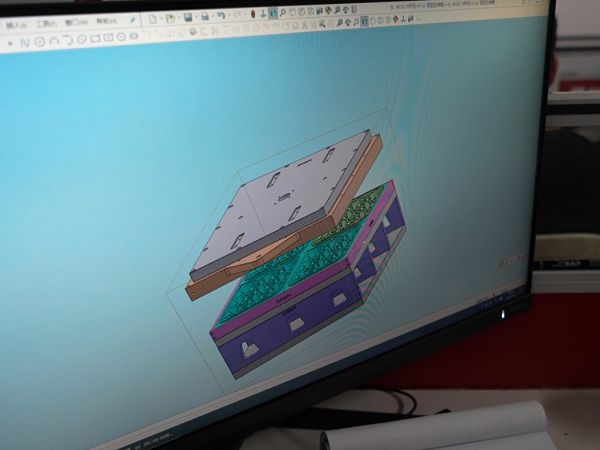 Multi-Cavity Design and Production Output
For large-scale production, multi-cavity mold designs allow multiple products to be formed simultaneously within a single production cycle. This significantly increases output, improves equipment utilization, and helps reduce manufacturing costs while maintaining consistent product quality.
Key Factors to Consider When Choosing a Thermoforming Mold
Selecting the right thermoforming mold requires evaluating product requirements, manufacturing goals, and long-term production performance to ensure consistent quality and efficient operation.
The mold should be designed to match the product's dimensions, geometry, and functional requirements. A mold tailored to the intended application helps ensure accurate forming, consistent product quality, and efficient production.
The choice of mold material affects durability, thermal conductivity, machining precision, and maintenance requirements. Selecting the appropriate material based on production volume, product specifications, and operating conditions helps optimize both mold performance and service life.
High-precision machining is essential for producing molds with accurate dimensions and consistent cavity quality. Precision manufacturing minimizes dimensional variation, improves product consistency, and supports reliable long-term production.
A mold designed for easy cleaning, inspection, and component replacement helps reduce maintenance time and production downtime. Good maintainability also contributes to longer mold life and lower operating costs.
Every thermoforming application has unique product specifications and production requirements. Working with a manufacturer that offers custom mold design allows businesses to optimize cavity layouts, forming performance, and production efficiency according to their specific needs.
Why Choose LITAI for Custom Thermoforming Mold Solutions?
Choosing an experienced mold manufacturer is essential for achieving consistent product quality and long-term production efficiency. LITAI specializes in designing and manufacturing custom thermoforming molds for a wide range of packaging applications, offering solutions tailored to different product shapes, materials, and production requirements. Combining precision machining, optimized mold design, and strict quality control, LITAI delivers molds that support stable forming performance, efficient production, and extended service life. From initial design consultation to manufacturing and technical support, LITAI works closely with customers to develop reliable thermoforming mold solutions that help maximize productivity and product quality.
Conclusion
Thermoforming mold design has a direct impact on both the quality of finished products and the efficiency of the manufacturing process. From mold precision and cooling channel design to venting systems, material selection, and cavity layout, every design element contributes to consistent forming performance, reduced defects, and higher production output. By understanding these key design considerations and selecting a mold that matches specific production requirements, manufacturers can improve product consistency while achieving greater operational efficiency and long-term value. Contact us today to learn more about LITAI's custom thermoforming mold solutions and discover how the right mold design can enhance your production performance.


